Boosting Your Hotel's Ratings with High-Quality Housekeeping.
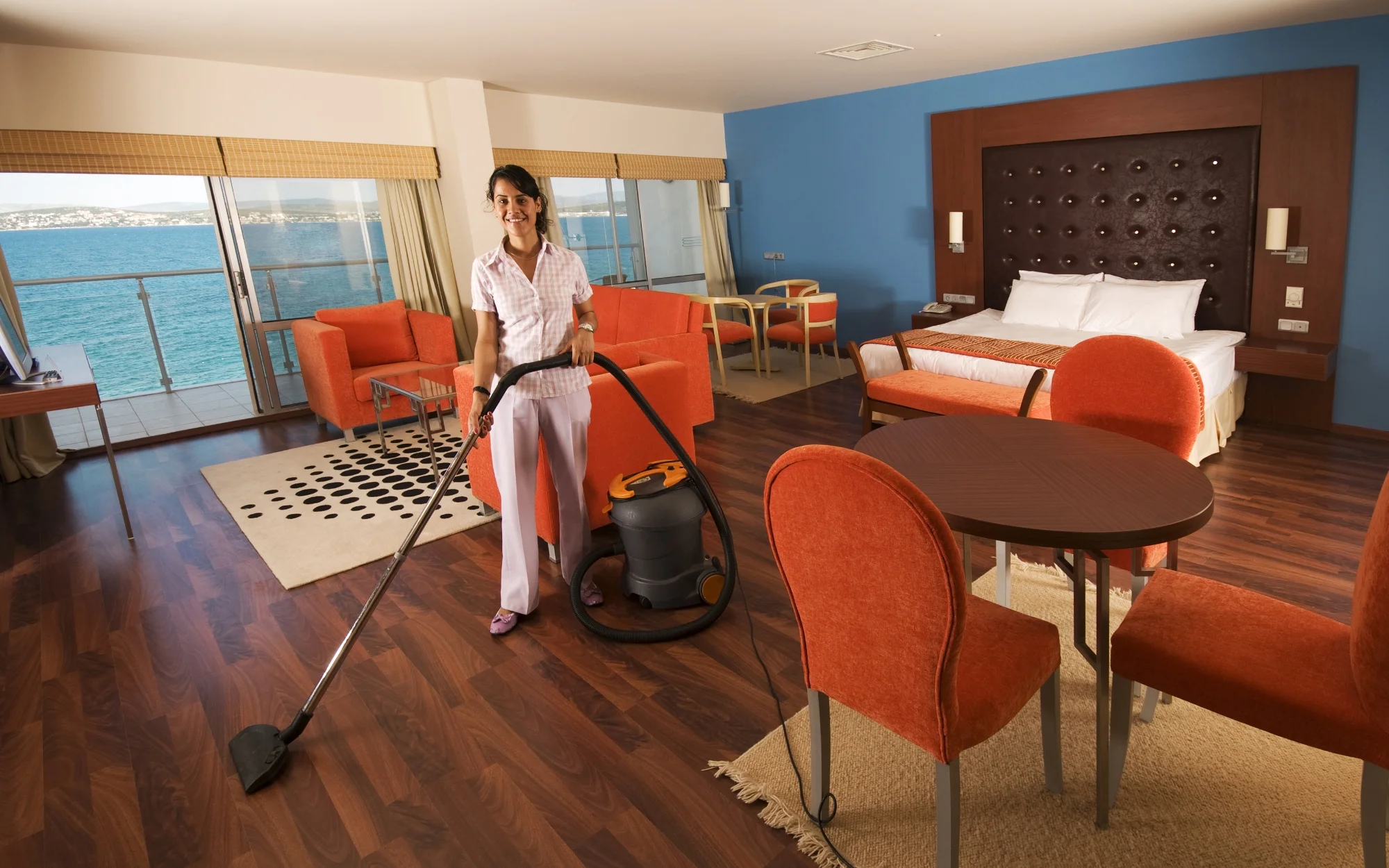
The Unseen Impact of Housekeeping on Hotel Reputation
In the competitive hospitality landscape, a hotel's online reputation is paramount. Guests today are more discerning than ever, and their expectations for cleanliness and comfort have reached new heights. A sparkling lobby or an elegant restaurant can quickly lose its luster if the guest room itself falls short of immaculate standards. This often-overlooked area, housekeeping, plays a far more critical role than many realize in shaping the overall guest experience and, consequently, the hotel's public image.
Consider the immediate impact of a guest encountering a less-than-perfect room upon arrival. A stray hair, a dusty surface, or an unemptied bin can instantly sour their initial impression. This isn't just a minor inconvenience; it signals a lack of attention to detail and care from the establishment. Such experiences are frequently documented in online reviews, where a single negative comment about cleanliness can deter numerous potential bookings. The ripple effect of these individual encounters can significantly undermine marketing efforts and erode trust.
The challenge extends beyond superficial tidiness. Guests expect a sanctuary, a clean and hygienic space where they can relax without concern. In an era where health and safety are prominent considerations, the perceived cleanliness of a room directly correlates with a guest's sense of security and well-being. Failing to consistently deliver on this fundamental promise can lead to widespread dissatisfaction, lower repeat business rates, and a struggle to maintain competitive occupancy levels.
Furthermore, the efficiency and professionalism of housekeeping staff contribute to the overall ambiance. Disruptions, noise, or an unorganized presence in hallways can detract from a peaceful stay. A well-managed housekeeping operation, conversely, operates seamlessly, ensuring rooms are prepared promptly and discreetly, enhancing the guest's perception of a smooth and high-quality service. This behind-the-scenes work is a cornerstone of guest satisfaction, even if it often goes unnoticed when done correctly.
Ultimately, a hotel's ratings on popular review platforms are a direct reflection of its operational excellence, with housekeeping being a major determinant. High ratings attract more guests, command better pricing, and foster a positive brand image. Conversely, declining scores due to cleanliness issues can lead to a downward spiral, impacting revenue and long-term viability. Addressing the core issues within housekeeping is not just about tidiness; it's about safeguarding the hotel's future.
Underlying Causes of Housekeeping Challenges
- Inadequate Training and Standardization: Many hotels lack comprehensive, up-to-date training programs for their housekeeping teams. This can lead to inconsistent cleaning quality, missed details, and a general absence of standardized procedures across different shifts or staff members. Without clear guidelines, individual interpretation of 'clean' varies.
- Insufficient Staffing and Resource Allocation: Budgetary constraints or poor planning often result in an insufficient number of housekeeping staff to manage the workload effectively. This leads to rushed jobs, increased stress for employees, and a higher likelihood of errors. Outdated equipment or a shortage of quality cleaning supplies also compound these issues.
- Lack of Effective Quality Control and Feedback Loops: Without a robust system for inspecting rooms post-cleaning and gathering guest feedback specifically on cleanliness, issues can persist unnoticed. A missing mechanism to identify and rectify problems quickly prevents continuous improvement and allows standards to slip over time.
Strategic Solutions for Elevated Housekeeping
Clariox understands that enhancing housekeeping quality requires a multifaceted approach, blending training, technology, and robust operational processes. Our first recommendation focuses on investing in advanced staff training and certification programs. This goes beyond basic cleaning techniques, encompassing detailed sanitation protocols, effective use of modern equipment, and an emphasis on guest interaction etiquette. Training should include modules on identifying specific guest preferences and handling delicate items with care.
Implementing a structured certification program for housekeeping staff can significantly boost morale and professional pride. When employees feel valued and competent, their commitment to maintaining high standards naturally increases. Regular refresher courses and workshops on new cleaning technologies or eco-friendly practices ensure the team remains at the forefront of industry best practices. This continuous learning environment fosters a culture of excellence and attention to detail.
The second key solution involves integrating smart technology for operational efficiency and quality assurance. Modern housekeeping management systems can optimize task assignment, track room status in real-time, and manage inventory of cleaning supplies more effectively. Handheld devices allow staff to report issues, request maintenance, and even log specific guest requests directly from the room, streamlining communication and response times.
Beyond scheduling, technology can introduce digital checklists and inspection tools. Supervisors can use tablets to conduct thorough room checks, documenting findings with photos and assigning corrective actions instantly. This creates a transparent record of quality control, ensuring that every room meets the hotel's stringent standards before a guest checks in. Such systems empower teams to work smarter, not just harder, reducing errors and improving overall consistency.
Our third proposed solution centers on establishing a proactive guest feedback and resolution system specifically for cleanliness. While general guest surveys are useful, a targeted mechanism allows guests to provide immediate feedback on their room's cleanliness shortly after check-in. This could be a QR code in the room, a dedicated app feature, or a quick digital survey sent via email or SMS.
The critical element here is not just collecting feedback, but ensuring a rapid response and resolution. If a guest reports a cleanliness issue, the system should trigger an immediate alert to the housekeeping supervisor for swift investigation and rectification. A prompt, empathetic response to a concern can often turn a potentially negative experience into a positive one, demonstrating the hotel's commitment to guest satisfaction. This direct channel fosters trust and allows for continuous improvement.
Potential Risks and Mitigation Strategies
- Staff Resistance to New Protocols: Introducing new training, technology, or stricter procedures can be met with initial resistance from long-term staff.
Recommendation: Involve staff in the planning process, clearly communicate the benefits, and provide ample support and hands-on training to ease the transition. Celebrate early successes to build buy-in. - Initial Investment and ROI Concerns: Implementing advanced systems and comprehensive training requires an upfront financial commitment, which may concern management.
Recommendation: Present a clear business case outlining the long-term benefits, including improved guest satisfaction, higher ratings, increased occupancy, and potential operational savings. Highlight Clariox's track record in delivering measurable results. - Over-reliance on Technology Diminishing Personal Touch: There's a risk that too much technology could depersonalize the housekeeping service or create a perception of cold efficiency.
Recommendation: Emphasize that technology is a tool to empower staff and enhance service, not replace human interaction. Train staff to use freed-up time for personalized touches, such as leaving thoughtful notes or responding to specific guest needs.
Related posts

Comments